The Problem with Treating Every Health Tool Like a Miracle Cure
The look on my mom’s face when the doctor told her she had Alzheimer’s was heartbreaking because she understood what it meant for her future. She had cared for her mother through the same horrific disease. She had prayed many times that she would never be faced with it and more importantly that her children would not. But now that it raised its ugly head, we were all desperate to get her any help that we could find.
When we’re put in that position, it makes us vulnerable. It’s only natural to search out every possibility to try to rescue a loved one, even when we know it’s a long shot. For mom, we went through the standard of care which involved prescription drugs, games and routine to help the brain engage longer, exercise, clean diet – we tried it all.
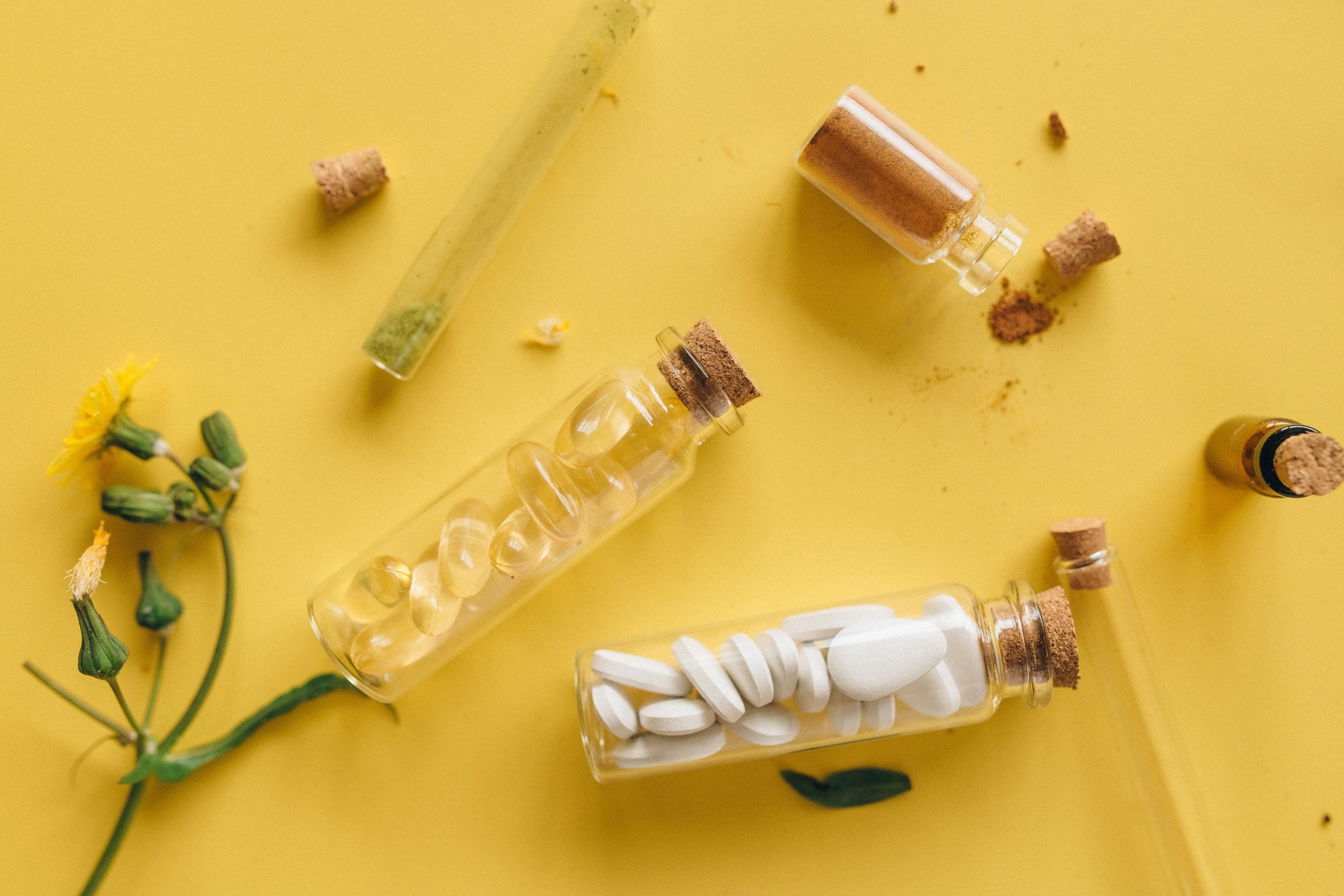
Once you begin searching for help on a particular topic, you’ve probably noticed that you’ll see everything under the sun popping up in your searches and through social media feeds. I remember seeing a vast array of products that were designed to help combat memory loss and restore clearer thinking. And yes, I tried a few of them for mom ‘just in case’ they could deliver what they promised. Sadly, nothing did, not even the special secret ingredient from a remote island in the Pacific. The painful reality was that nothing we tried could reverse what was happening to her brain.
When I look back on that period now, I understand why even careful, rational people can become vulnerable to these kinds of promises. As someone who usually researches everything carefully, I was surprised by how easily desperation could override sound judgment. It’s very natural to find yourself in that position so if someone says “this changes everything” it’s emotionally attractive to us. That’s being human.
The fact is one supplement, or one device cannot fix serious health problems. They can be supportive and combined with other tools and techniques, it’s possible to see improvement. But health tools work best as support systems, not rescue missions. No single tool carries the entire burden of healing.
Strong foundations come first. The tools we use to support that foundation come second. Sleep, movement, nutrition, stress management, connection, and consistency may not be exciting answers, but they remain the foundation that everything else is built upon.
I still believe many of these tools can help people. I use several of them myself. But I no longer believe healing comes from chasing a miracle.
More often, it comes from supporting the body consistently, protecting our peace, and staying grounded enough to think clearly while we search.
— Jamie Harrington
Freedom to Thrive
Curious explorer of living well in the second half of life.
For Further Reading:
Why Small Daily Decisions Shape Long-Term Vitality
Modern Life Disconnects Us From Natural Health Signals
The Second Half of Life Begins Earlier Than We Think