Why Strength Becomes the Deciding Factor of Aging
When most people think about aging well, they think about eating better, maybe walking more, or simply trying to stay active.
Very few people think about strength.
But strength becomes one of the most important factors in how well we age.
In many ways, it determines how long we are able to remain independent.
Strength Becomes Personal
In my case, strength was never optional.
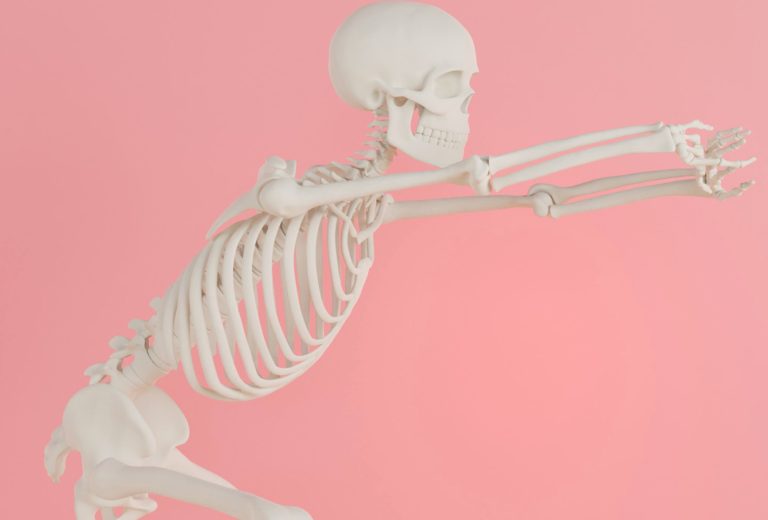
In my early twenties, I learned that I have scoliosis — a curvature of the spine. It had likely been there long before that, but years of water skiing from a young age may have made it worse.
I had some back discomfort growing up, but it wasn’t until later that I began to understand what it meant long-term.
It was a chiropractor, years later, who explained something that stayed with me:
If I wanted to maintain a normal, active life, I would need to build and maintain strength — especially through my core — to support my spine.
That shifted everything.
Learning the Hard Way
Like many people, I wasn’t always consistent when I was younger.
When you’re young, you tend to feel invincible. Strength feels optional.
But over time, that perspective changes.
After moving to the beach, we began seeing a new chiropractor who regularly reminds me of the same principle:
Stay strong — or your body will eventually limit you.
Those conversations aren’t always framed as “longevity,” but that’s exactly what they are.
They’re about preserving the ability to live fully in the years ahead.
What Strength Really Supports
Today, strength is simply part of how I take care of myself.
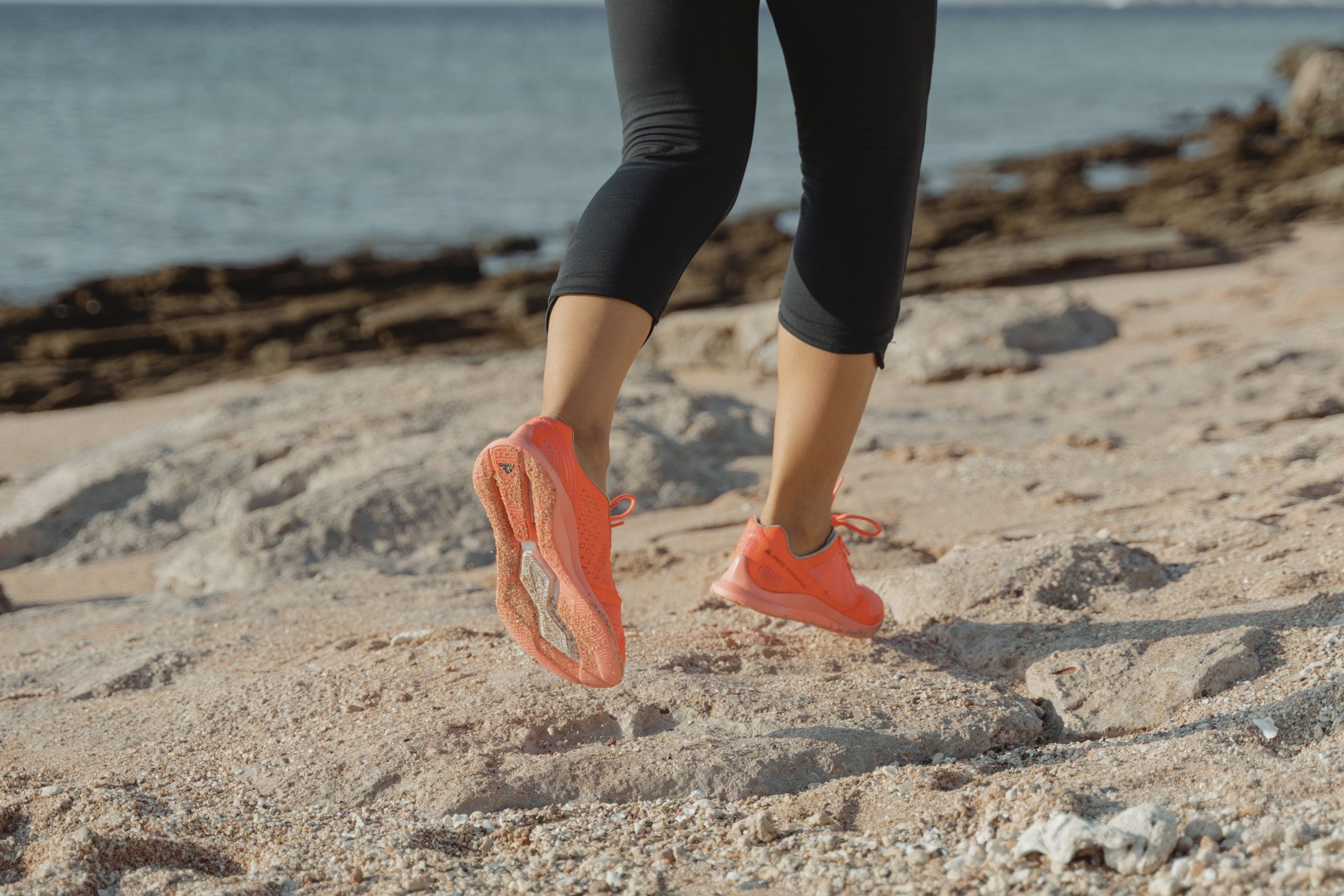
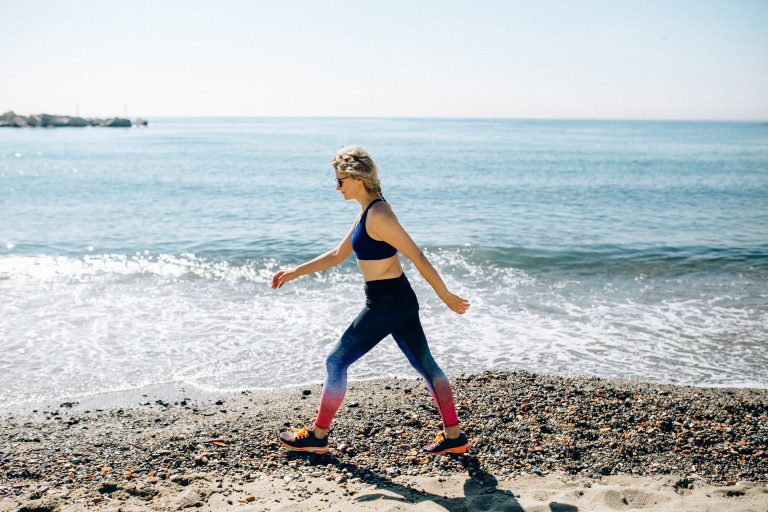
I focus on core training to support my spine. I walk daily, which helps maintain strength in my legs and hips.
And over time, I’ve come to understand something more clearly:
Strength is not just about fitness.
It’s about function.
It supports:
• balance
• posture
• mobility
• injury prevention
• everyday independence
In many ways, strength is what allows everything else to work.
This becomes even more important as we enter the second half of life — often earlier than we think.
The Reality Most People Don’t See
Most people don’t think about strength until something goes wrong.
• something hurts
• something fails
• something limits them
At that point, they are reacting — not building.
But strength doesn’t disappear overnight.
It declines gradually.
Muscle mass decreases. Balance becomes less stable. Recovery slows.
And over time, that slow decline can lead to something much more serious.
Why Leg Strength Matters More Than We Think
One of the most overlooked aspects of strength is what happens in the lower body.
As people age, leg strength often declines.
And that decline has real consequences.
Falls become more likely — and far more dangerous.
I’ve seen this personally.
A fall that results in a broken hip can change everything. In some cases, it begins a rapid decline that the body never fully recovers from.
It’s one of the clearest examples of how strength and independence are directly connected.
Activity Is Not the Same as Strength
Many people assume that staying active is enough.
“I walk every day.”
“I stay busy.”
And while that matters, it’s not the same as maintaining strength.
Activity is movement.
Strength is what supports that movement.
Without strength, activity alone is not enough to preserve long-term independence.
The Freedom to Thrive Perspective
At Freedom to Thrive, Staying Able means maintaining the physical capability to live life on your own terms.
It means protecting movement.
Preserving strength.
Supporting the body so it can continue to support you.
And strength sits at the center of all of it.
A Simple Truth
Building strength doesn’t require extremes.
It doesn’t require complicated routines.
But it does require consistency.
Using your body.
Challenging your muscles.
Paying attention before something forces you to.
Aging well is not just about avoiding illness.
It’s about maintaining the ability to live your life independently.
To move freely.
To stay steady.
To continue doing the things that matter to you.
And strength plays a much bigger role in that than most people realize.
Strength is not about lifting more.
It’s about holding onto your independence.
— Jamie Harrington
Freedom to Thrive
Curious explorer of living well in the second half of life.



8 Comments