Stop Narrating Decline
I’ve heard people say the same sentence many times.
It usually happens after a small ache or a moment of fatigue.
They pause for a moment and say quietly,
“I guess I’m getting old.”
It’s usually followed by another pause — almost as if they’ve just stated a fact and are waiting for confirmation.
And most of the time, someone gives it to them.
Language Programs the Brain
The sentence itself isn’t entirely wrong. Time does move forward.
The problem is what happens when we start repeating it.
Once we begin saying “I’m getting old,” we often start living as if that’s the only story available. Without realizing it, we begin narrating our own decline.
The brain is a remarkable thing. It listens carefully to the stories we tell it.
If we constantly repeat that we’re getting old, it believes us and begins organizing our behavior around that belief.
Soon the narrative becomes the reality.
This shift in thinking often begins earlier than we realize.
Mom’s Philosophy
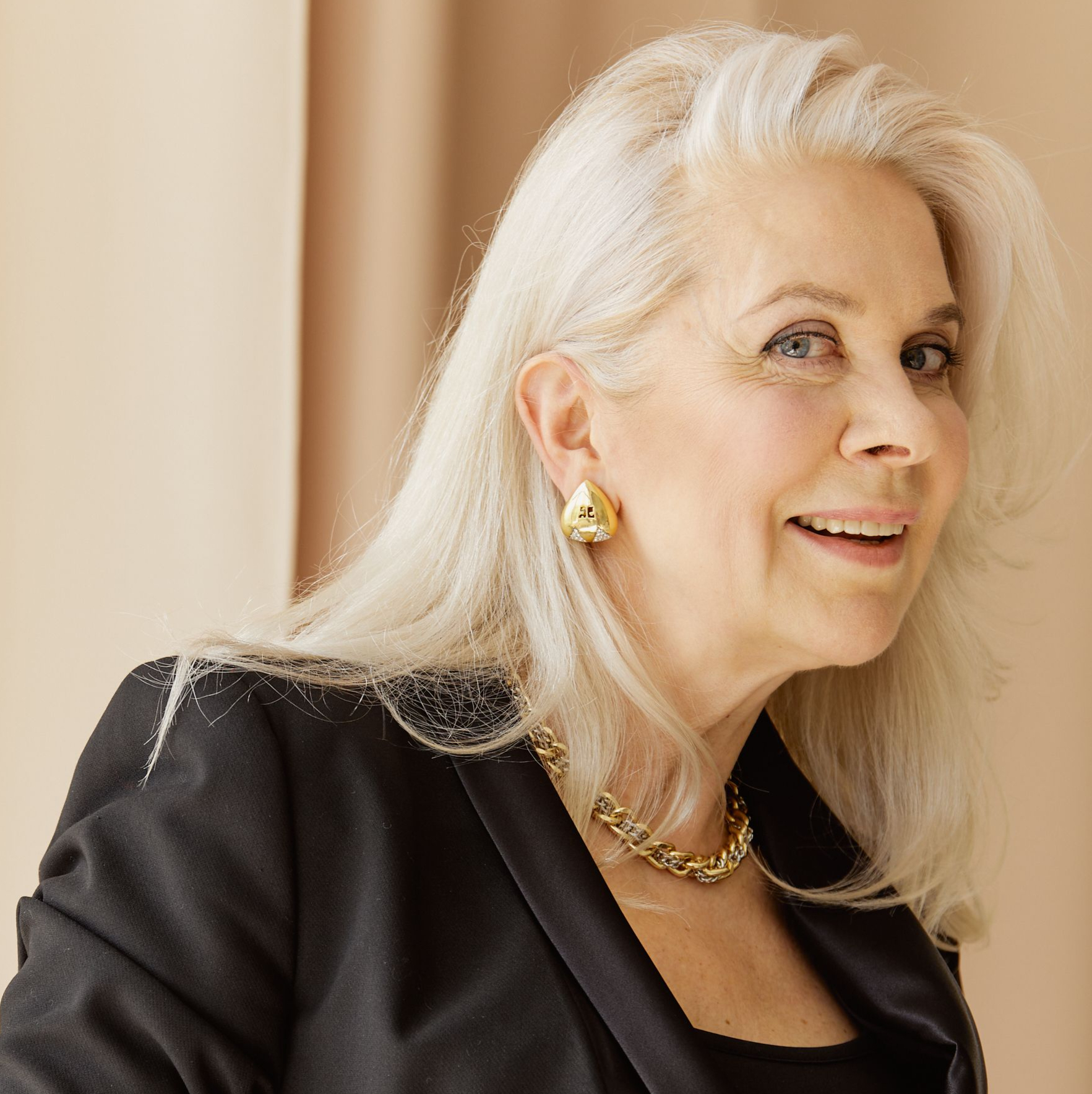
My mom was a physically beautiful lady.
She had a Barbie-doll figure, gorgeous blue eyes, and somehow always looked ten or fifteen years younger than she actually was. She never left the house without her hair done, makeup on, and dressed properly — not even to run to the store for a loaf of bread.
She used to say,
“When you walk outside that door, you’re facing the world.
Always look like you’re ready to take it on.”
But what mattered more than her appearance was her attitude.
She carried herself with a kind of quiet youthfulness that had nothing to do with birthdays.
In fact, she never told anyone her age.
One day, when we were both older, I finally asked her why she was so guarded about it. After all, she looked younger than most people her age anyway.
Her answer surprised me.
She said,
“Never tell your brain how old you are, because then you’ll start acting your age.”
It wasn’t vanity.
It was a mindset.
She refused to let society decide how she was supposed to age.
The Cultural Script of Aging
Mom understood something most people never question.
There’s a cultural script for aging.
At certain birthdays, we’re supposed to slow down.
At other birthdays, we’re supposed to stop doing certain things entirely.
And eventually, we’re expected to quietly step aside.
Mom wanted nothing to do with that script.
When someone would say, “You look young for your age,” I always wondered what she was thinking.
I suspect the question running through her mind was something like:
What exactly is my age supposed to look like?
She never said it out loud.
But I’m fairly certain she was thinking it.
Another Way to Tell the Story
I also know people who live by the opposite philosophy.
“I’m getting old” becomes the explanation for everything.
What they can’t do.
What they shouldn’t do.
What they’ve decided they’re no longer allowed to do.
Sometimes the permission comes from doctors, specialists, or well-meaning family members.
Sometimes it comes from their own internal voice.
But the story is the same.
They begin narrating their own decline — often long before it’s truly necessary.
A Different Interpretation
Mom showed me there’s another option.
She celebrated birthdays, but nobody was allowed to count them.
The number simply wasn’t important.
Did she experience aches and pains?
Of course she did.
But to her, those signals weren’t a diagnosis.
Discomfort was real.
The story attached to it was optional.
Instead of interpreting every ache as evidence of decline, she simply kept moving.
Life was still happening.
And she wasn’t about to miss it.
The People I Admire Most
The people I admire most don’t pretend their bodies never complain.
They just don’t treat every complaint as proof that life is shrinking.
If something hurts, they rest.
If it improves, they move again.
And the next day, they keep living.
They don’t narrate decline.
They simply continue the story.
— Jamie Harrington
Freedom to Thrive
Curious explorer of living well in the second half of life.