Strength Helps Us Keep Living Fully
Lanny and I go to our local gym twice a week for strength training.
Do I enjoy it and look forward to it?
Absolutely not.
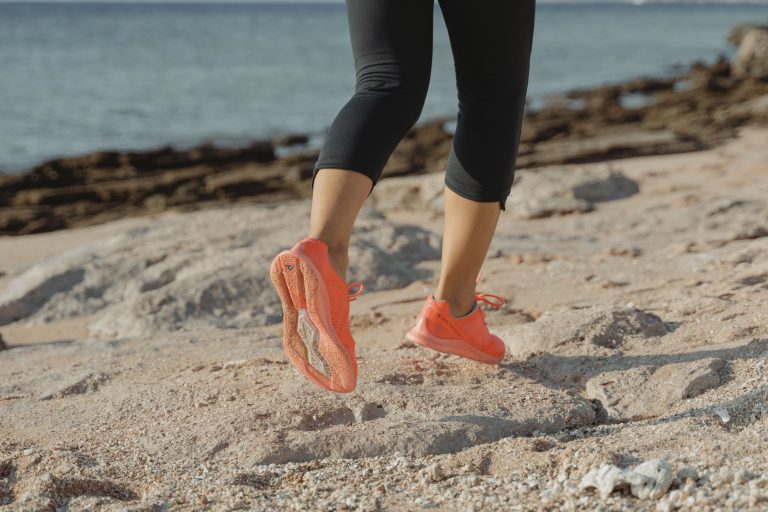
Honestly, the only exercise I truly enjoy is walking.
But walking alone does not give me the muscle strength I want and need, so I go to the gym anyway.
We stick mostly to the weight machines and avoid free weight for a couple of reasons.
First, there is less risk of injury when the machines are used properly and within your limits.
Second, they were designed to target specific muscle groups efficiently, without requiring us to overthink everything.
At this stage of life, I appreciate “brainless” workouts.
I put on my headphones, move from machine to machine, and thirty minutes later we are done.
And surprisingly…
it works.
We don’t spend hours lifting weights or trying to become bodybuilders.
We simply stay consistent.
The Real Decision
Over time, I realized I had two choices.
I could enjoy the second half of life with greater strength and independence…
but I would need to do a few things I didn’t necessarily enjoy.
Or—
I could ignore what my body needed and slowly move toward a future that looked weaker and more fragile.
When I looked at it that way, the decision became much easier.
Good Examples Matter
One of the things that motivates me most is seeing older adults at our gym.
Some are in their 80s.
A few are even in their 90s.
They are using weight machines, rowing machines, and staying active in ways many people assume are no longer possible at that age.
And they are happy.
Not because they are trying to become fitness models.
They simply want to hold onto their strength so they can continue enjoying life for as long as possible.
In many ways, they remind me of something my mother used to say:
“Never tell your brain your age.”
Strength Changes the Aging Experience
Thriving in the second half of life is not about trying to live to 100 at all costs.
It is about extending our health and capability for as long as possible, whatever age that may be.
And strength plays a major role in that.
Strong muscles support:
- balance
- mobility
- stability
- independence
- resilience
Strength often determines whether we continue participating in life—or gradually begin withdrawing from it.
The Freedom to Thrive Perspective
At Freedom to Thrive, strength is not about vanity.
It is about capability.
The ability to:
- carry groceries
- travel comfortably
- move confidently
- recover more easily
- stay independent longer
And often, maintaining that strength requires doing a few ordinary things consistently—even when we do not particularly feel like doing them.
Closing
The second half of life is not built through dramatic efforts.
More often, it is built through small, consistent decisions repeated over time.
Sometimes that simply means showing up for thirty minutes at the gym…
even when walking sounds much more appealing.
— Jamie Harrington
Freedom to Thrive
Curious explorer of living well in the second half of life.
Additional Reading:
Recovery Becomes More Important with Age
The Mobility Test That Predicts Future Independence
The Real Goal of Staying Able
Why Small Daily Decisions Shape Long-Term Vitality