The Missing Link in Modern Health Tracking
As I research and experiment for Freedom to Thrive, I’m realizing something I never expected:
We now have access to more of our own health data than ever before.
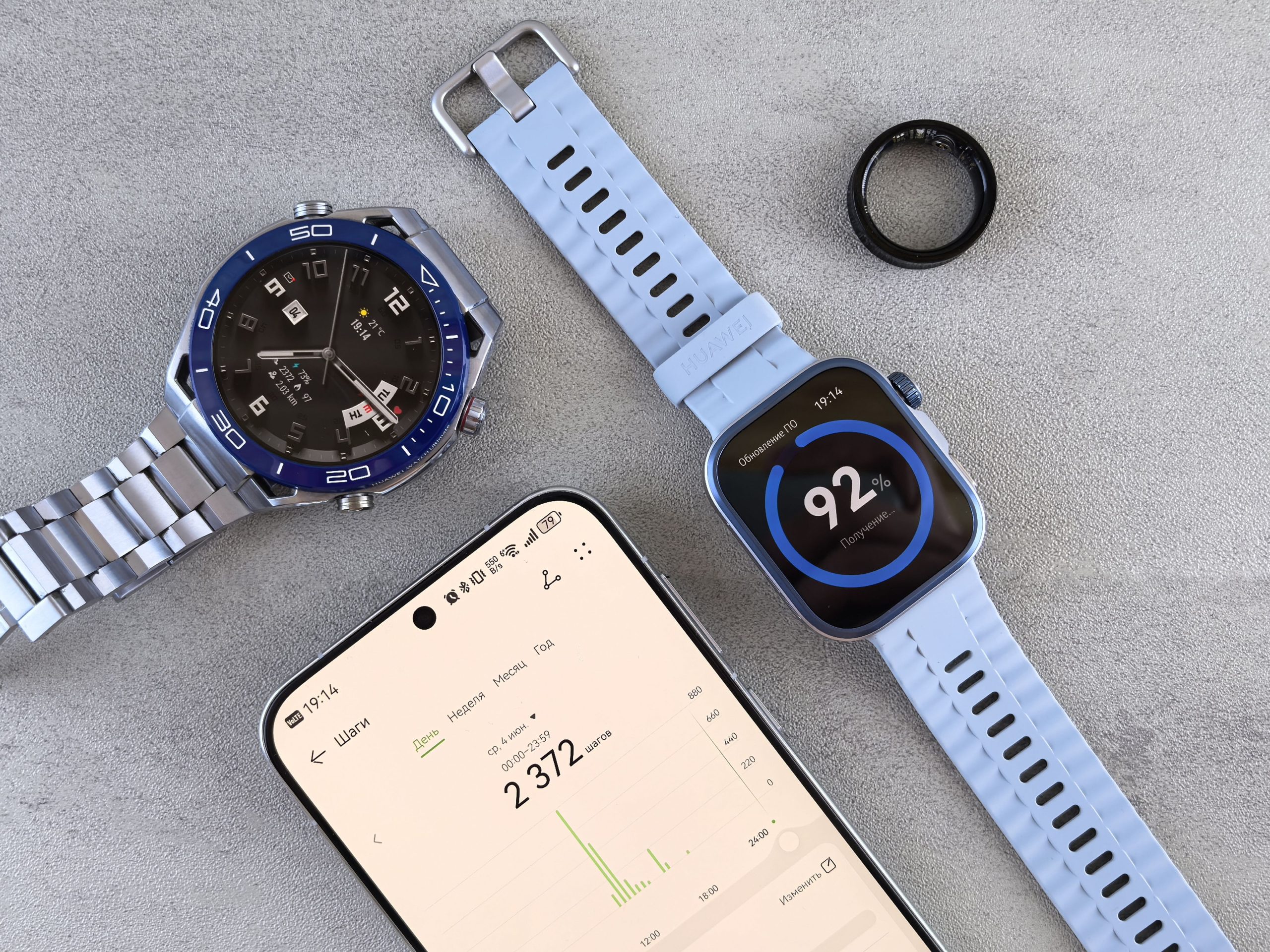
Wearables can monitor our bodies constantly.
We can scan our body composition at home.
And now, we can even run blood tests without stepping into a lab.
We’re at a place I never imagined.
But something still feels… scattered.
What’s Changing
I wear a Garmin that tracks my daily activity and behavior.
I’ve been using the Hume Body Pod, which measures body fat, muscle, water percentage—even metabolic age.
And recently, I came across a company called SiPhox that offers blood testing at home.
Each of these tools provides more insight than we’ve ever had access to.
But they also introduce something else.
The Problem
More data doesn’t automatically lead to better decisions.
At one point, I stopped wearing my Garmin consistently because it became more of a distraction than a help. It told me I needed more steps—but not much beyond that.
My Hume Body Pod can tell me how much my right leg weighs compared to my left.
But I still find myself asking:
What do I actually do with that?
If I start testing my blood more frequently, will that change anything… or just give me more numbers to think about?
All of this data—while impressive—can quickly become overwhelming.
The Gap
What’s missing isn’t another device or another test.
It’s clarity.
What does all of this information mean?
And more importantly—how does it improve my life?
What I’m Watching
That said, something interesting is starting to happen.
We’re beginning to see early attempts to connect these pieces.
For example, during a recent consultation with SiPhox, I learned that their platform allows you to upload data from wearable devices like Garmin and align it with your blood test results.
In other words, behavior data and biomarker data begin to live in the same place.
The analysis includes insights and general recommendations, which can then be shared with your doctor for further evaluation.
I’ve also started bringing my Hume Body Pod data into my doctor’s office for comparison with their InBody scans.
And after discussing these developments with my health coach, her reaction was encouraging—she sees real potential in having more frequent, connected data to help guide her patients more effectively.
This feels like an early step toward something better.
Not replacing doctors—but enhancing the relationship.
Closing
We’re seeing more tools, more integrations, and more data than ever before—often supported by AI-driven insights.
But the tools are evolving faster than our understanding of how to use them.
It’s still early.
But it’s worth paying attention.
Because this may shape how we approach our health in the years ahead—not as isolated pieces of information, but as a more connected, thoughtful system.
I’ll be exploring this further as I test some of these tools myself.
— Jamie Harrington
Freedom to Thrive
Curious explorer of living well in the second half of life.